Recreating the Country
  • Home
  • be Challenged
    • Design to restore lost biodiversity >
      • Diversity >
        • Making a list of plants for revegetation
      • Structure >
        • Ecology Snapshot - wildlife and their habitat
      • Species survival
      • Location - connections
      • Blueprint for Recreating the Counrty
    • Biodiversity and profit >
      • Designing for profit
    • Managing sustainable biorich landscapes
  • be Informed
    • Indigenous flora of the Geelong district >
      • Indigenous plants - what & why
      • Acacias, wattles of the Geelong Region
      • Acacias - the cafes of the bush
      • Allocasuarinas/drooping sheoaks, Black Sheoak & Callitris glaucophylla/cypress-pine
      • Bursaria spinosa, Sweet Bursaria
      • Eucalypts, The Sentinals
      • Exocarpos cupressiformis, Cherry Ballart
      • Moonah, Melaleuca lanceolata
      • Small riparian myrtles
      • Wedge-leaf/Giant Hop-bush, Dodonaea viscosa
      • Wild Plants of Inverleigh
      • Tree Violet - as tenacious as a terrier
    • Nurseryman's diary >
      • Regent Honeyeater - a good news story
      • Give me a home among the gum trees
      • Symbiotic fungi
      • The joys of seed collecting
      • Landcare, who cares?
      • The last Silver Banksia
      • Neds Corner
      • River Red Gums and the Tuscan monks
  • be Entertained
    • Stories for children >
      • Amie and the intoxicated kangaroos
      • The Little Green Caterpillar
      • B'emus'ed - a Christmas tale of bursairas and emus
    • Stories about the natural world >
      • Brushtail
      • Cormorant
      • Eastern Bettongs. 'Truffle junkies' or 'ecosystem engineers'
      • Richards Sweet Rewards
      • Coxy's Curse
      • How the River Red Gum came to be - A dreamtime story
  • Bookshop
  • Blog
    • Easy blog finder
  • Contact

Indigenous plants
 what & why?

What are indigenous plants?

Indigenous plants are the true locals.
​

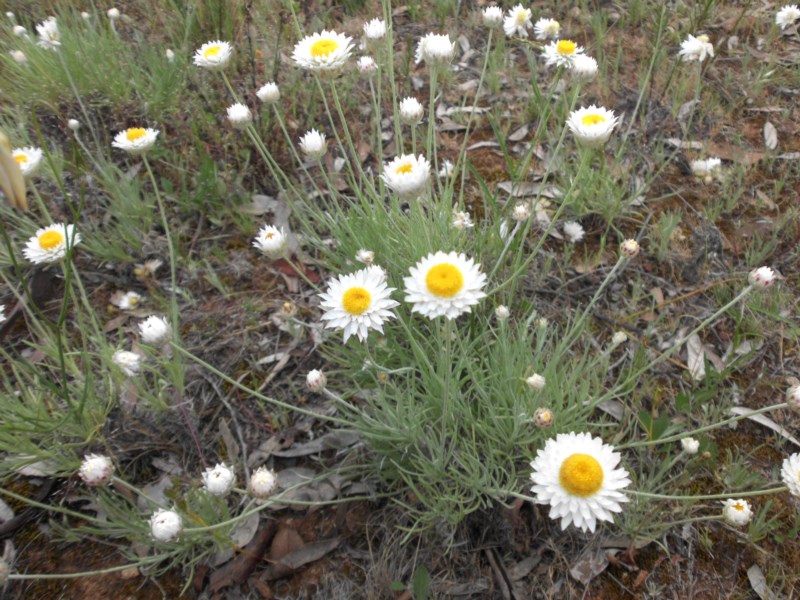
PictureThe beautiful Hoary Sunray, Leucochrysum albicans subsp tricolor is endangered in Victoria
They have been here for thousands of years and have adapted to our climate and soils. The local insects, birds and marsupials know and depend on the food and shelter that they provide.

​Imagine a new supermarket chain has bought out your familiar old one and now it sells only brands you've never heard of and there's worse, they only open at inconvenient times.

​In the same way, our wildlife have evolved with the local plants, they know what the nectar tastes like and when its flowing. They know where to find insects under the bark and how to use the bark to build nests. Some wildlife may adapt to the new plants in our gardens but they may not be as healthy as they would be living off the indigenous plants.

In this section you can read informative articles about the Indigenous Flora of the Geelong District.


You may also like to read about;
The local acacias and where they grow;
The Sentinals, eucalypts of the Barrabool Hills;
The two local and very beautiful casuarinas;
Our cypress-pine that dates back to the ice age;
The edible fruit bearing Cherry Ballart;

The sweet perfumed Tree Violet that's as Tenacious as a Terrier.
Named after a unique colonial beer the Wedge-leaf/Giant Hop-bush.
Picture

Site content © Stephen Murphy, 20​25

  • Home
  • be Challenged
    • Design to restore lost biodiversity >
      • Diversity >
        • Making a list of plants for revegetation
      • Structure >
        • Ecology Snapshot - wildlife and their habitat
      • Species survival
      • Location - connections
      • Blueprint for Recreating the Counrty
    • Biodiversity and profit >
      • Designing for profit
    • Managing sustainable biorich landscapes
  • be Informed
    • Indigenous flora of the Geelong district >
      • Indigenous plants - what & why
      • Acacias, wattles of the Geelong Region
      • Acacias - the cafes of the bush
      • Allocasuarinas/drooping sheoaks, Black Sheoak & Callitris glaucophylla/cypress-pine
      • Bursaria spinosa, Sweet Bursaria
      • Eucalypts, The Sentinals
      • Exocarpos cupressiformis, Cherry Ballart
      • Moonah, Melaleuca lanceolata
      • Small riparian myrtles
      • Wedge-leaf/Giant Hop-bush, Dodonaea viscosa
      • Wild Plants of Inverleigh
      • Tree Violet - as tenacious as a terrier
    • Nurseryman's diary >
      • Regent Honeyeater - a good news story
      • Give me a home among the gum trees
      • Symbiotic fungi
      • The joys of seed collecting
      • Landcare, who cares?
      • The last Silver Banksia
      • Neds Corner
      • River Red Gums and the Tuscan monks
  • be Entertained
    • Stories for children >
      • Amie and the intoxicated kangaroos
      • The Little Green Caterpillar
      • B'emus'ed - a Christmas tale of bursairas and emus
    • Stories about the natural world >
      • Brushtail
      • Cormorant
      • Eastern Bettongs. 'Truffle junkies' or 'ecosystem engineers'
      • Richards Sweet Rewards
      • Coxy's Curse
      • How the River Red Gum came to be - A dreamtime story
  • Bookshop
  • Blog
    • Easy blog finder
  • Contact